
Women with women – victims of human trafficking
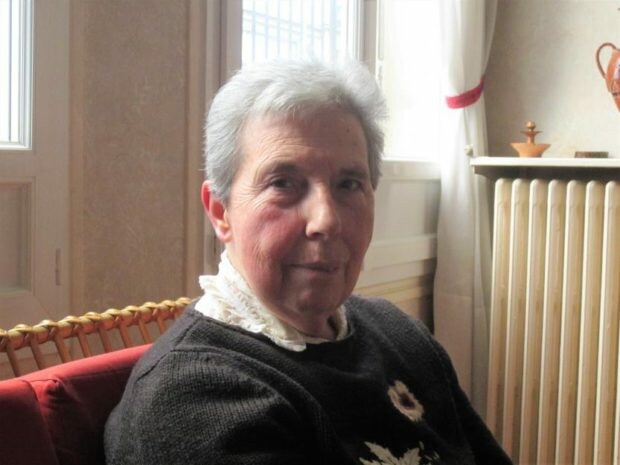
After many years spent in Africa (Democratic Republic of Congo, Uganda, Mozambique) Sr. Begoña Iñarra Spanish was sent for mission to Paris where she is working with Aux Captifs, la Libération, an organization helping women get out of prostitution. Sister is also a member of RENATE, Religious in Europe Networking Against Trafficking and Exploitation. A beautiful dream of a good job often becomes a nightmare All together, you have spent more than 20 years in Africa. When you see the growing number of Africans now trying to come to Europe, and when you see how many women end up as traffic victims, what do you think about this? Poor people have always left their countries in search of a better future. But the Africans who leave now are not the poorest. They must have some money to pay the traffickers who organize the migrations. They have to be able to borrow…

February 20, the World Day for Social Justice
February 20 is World Day for Social Justice. For the two Institutes founded by Cardinal Lavigerie, it is the Annual Day of prayer and reflection on modern slavery. The theme for 2016 is: “Shine the light on modern slavery.” How to learn about modern slavery? • Find in your city or country organizations working against modern slavery and against human trafficking and get in touch with them to see how you can work together to eradicate modern slavery. There are networks of religious men and women working against human trafficking in 70 countries, linked with Talitha Kum. Do you know those in your country? Could you collaborate with them? • Learn clues to help you identify potential victims of trafficking and see what can be done. • Discover your slavery footprint and check the goods produced by child labor or forced or compulsory labor. • Encourage companies to take…
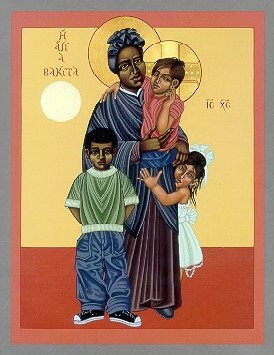
Saint Bakhita, Patroness of kidnapped persons and victims of trafficking
Josephine was born in 1869 in South Sudan. She lived with her parents, 3 brothers and 4 sisters in Olgossa, a small village in Darfur, close to Mont Agilerei. The first suffering felt by Josephine was when those she called ” négriers” in reality members of Arab tribes who were slave traders, abducted her elder sister: “I still remember, she said in 1910, how Mama cried, and how we too cried. “ One day, between 1876 and 1877 she suffered the same fate as her sister; she was kidnapped and carried far away. “I was only thinking of my family; I called out to Papa and Mama, with anguish in my heart impossible to describe. But no-one was listening to me. “ Sold into slavery several times in the markets of El Obeid and Khartoum, she was treated brutally by her captors.…

Slavery, Young women going to Europe
In “hot neighborhoods” of major European cities where prostitution is practiced, we meet very young Nigerian women, whose number is constantly increasing. Most come from Edo State in southern Nigeria. Three factors contribute to these young women being drawn into the networks of human trafficking: their desire to go to Europe to work and help their families, lack of economic means to undertake this journey and the difficulty to enter the fortress that Europe has become. Without ever meaning to, two or three days after their arrival they are found in the poorest places of prostitution: the woods, parks, along roads or in some streets of ill repute… Through meeting these young women and the persons accompanying them, I learned how they came and what makes it so difficult for them to get out of this modern slavery of which they are the victims. They sacrifice…