
From the Ukusijoni Community, in Uganda
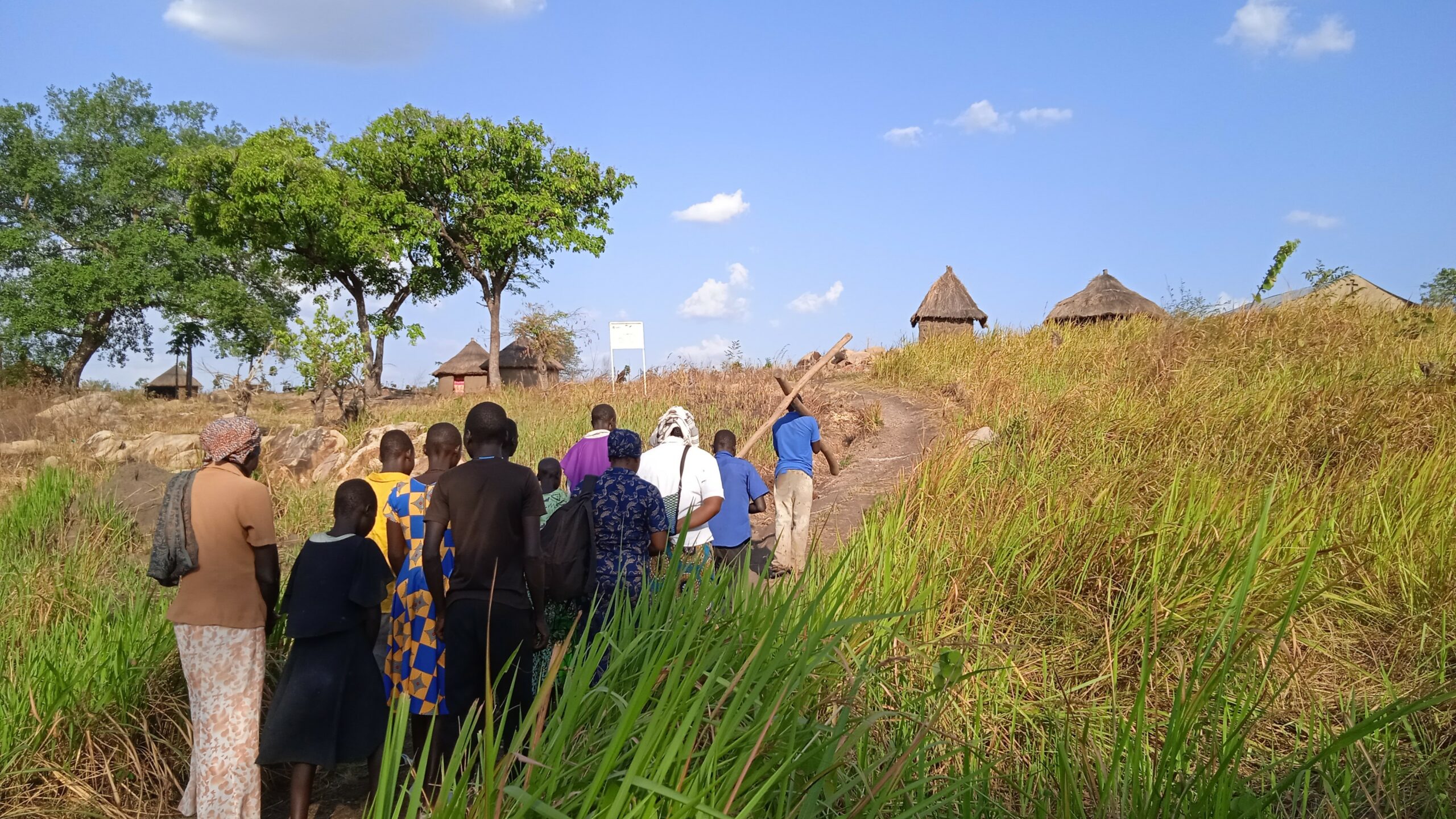
The state of refugee life is in fact a life of poverty. For some it becomes misery, seeing how they forcibly left their own land to establish themselves in a very limited space in another country. Some manage to come out of it, but the majority remain in a dire situation. This is the case of so many in Maaji and Agojo refugee settlements in Adjumani district, Northern Uganda.
Our mission in Maaji and Agojo settlements, seeks to respond to the concrete realities of the refugees with their various needs.
It is a pastoral apostolate that includes humanitarian responses where possible. Refugees need God in the first place, in whom they find their answers, and those they discover as God’s messengers become part of their lives. Our service to them seems to have come at the right time, when amid the multiple NGOs, they realize that our approach is unique as we make ourselves closer to them, and are “All to all” in all we do.
We work and walk with them and for them and for their dignity, through channels of love, justice and peace. Though life becomes more difficult due to the cutting of humanitarian help for the majority of them, we experience solidarity, concern, strong bonds, faith and willingness to support one another in their situation.
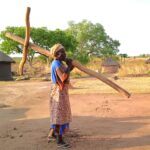
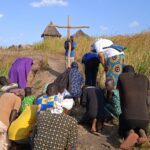
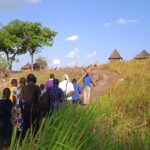
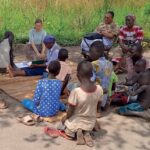
We are present to them in pastoral care, education, justice and peace, mental health and psychosocial support. We are present to them and they open up to share their joys and struggles with us. We visit them regularly during weekdays for occupational activities and just to be with them. We bring Holy Communion to elderly persons who are not able to go to church. We pray in their different chapels every Sunday and during the feasts of their chapels, and at Christmas and Easter.
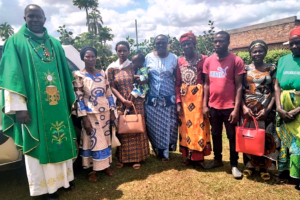
And we are with them in their various celebrations of life: baptisms, weddings and funerals. We participate in their celebrations and we are continually learning their cultures and languages. In short, we are together with them, laughing and crying together.
The skills training and empowerment activities help them to rise up from their difficult and traumatic experiences to learn anew to find hope and meaning in life as they regain self-worth and contribute to family needs. We strive to cater for their basic needs whenever we can while also recognizing that their emotional needs are just as vital. At that time, they see God’s love alive in them.
We see transformation in some women who had withdrawn from community life now participate in prayer groups after receiving consistent accompaniment and counseling. We strengthen collaboration between refugees, Church members, and local leaders. All these are opportunities for them to share their untold stories and to be listened to, which lightens their burdens.
The Church’s teaching on love for the poor then becomes visible. Our Pastoral teams work with settlement leaders to report cases of conflict, violence, and neglect. This advocacy reflects the Church’s call to protect dignity and seek justice for the poor. We see an increasing participation of women and youth in community activities.
Mental health among refugees is a critical issue that encompasses not just their physical well-being but also their emotional and psychological healing. Our presence has become a source of healing and consolation as we journey alongside them through the deep trauma they have endured since they ran away from war in South Sudan to Uganda in search of peace and safety. Our mission has been healing the unseen, addressing the emotional wounds from abandonment, attempted suicides, isolation, anxiety, post-traumatic stress disorder, the list is endless.
In our journey with them, the presence ignites a flame of hope within their lives, one that offers the promise of a better tomorrow amidst the overwhelming darkness they often feel. By sharing their experiences, they hope to inspire change and resilience in those who may find themselves trapped in a cycle of despair.
Listening intently to their cries and witnessing their agony, has deepened our compassion and commitment to walking this path with them. One of the things that truly resonates is the profound meaning found in our companionship. Although we may sometimes be unable to provide material goods, our genuine presence has become a lifeline.
We have actively engaged in their daily lives, forming bonds built on trust and empathy that transcend the barriers of language and culture. We learn a lot from the refugees, even the less privileged among them for their faith, generosity and attentiveness, and their trust in God. After visiting them, many are embarrassed that they did not give us food, saying: You are going away hungry! In their limited resources, they always feel the need to give, but sometimes there is no other way they can do it. Thus, we share our helplessness and hopes together.
Even in the darkest moments of suffering, we find that life and hope can spring forth. It is a mystery.
Sometimes the suffering is overwhelming: no food, no school fees, no health care. One wonders how these people survive. Yet we hear the refugees repeat, “Rabuna fi,” which in Juba-Arabic means, “God is there.” When you hear of a young girl who, coming home for a school break, found nothing to eat for three days, it is heartbreaking. Or of a young boy who was attacked and had his hands broken, and did not know where to go for help because health services had stopped functioning.
Faced with such suffering, often we feel powerless. It is then that we encounter the suffering Lord in them. They teach us not to ask “why?”, but rather, “what is my response?”
The Lord seems to invite us to hold the pain, to be with them, and to remain in loving attentiveness, an attitude that may seem simple, yet is often very difficult for us, because it asks us to remain without immediately doing something.
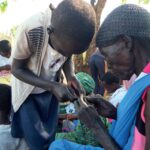
Day by day, we discover that it is through small gestures of kindness, be it sharing a meal, offering a listening ear, or simply sitting in silence with them that we cultivate a sense of belonging and community.
These shared moments remind us all that, despite the adversity they face, there are still reasons to hope, dream, and strive for a brighter future.
Our collective journey is not just about survival; it is about healing, rebuilding, and finding joy amid the storms of life.